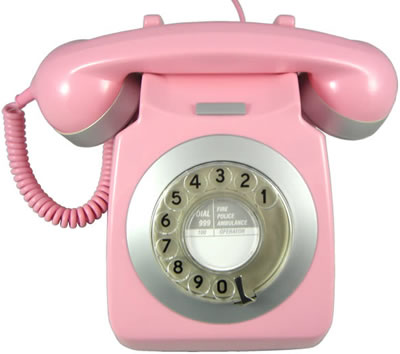
 quality, design, good performance, reliability and durability. You pick up a pink one and it meets your design taste perfectly, but you see it's $80 and it's from a company you've heard bad things about. You think it's cute, but to you the cuteness isn't worth the extra $30.00. However, you see a very
 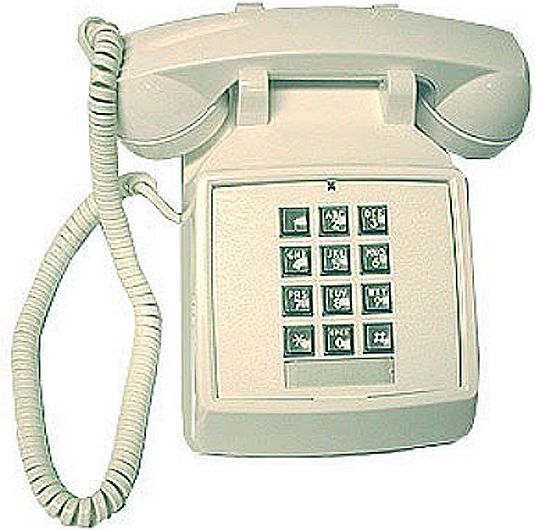 excited 12 year old picking the phone out and running away with it; that was her product value. You find another, and it's a good brand. You know it will have longevity and will stand up to your clumsiness. It's white, which is a little boring and it's only $40.00. But you're in luck! Directly beside this phone is a neon green one with little red lady bugs- so stylish! It's only $10.00 more than the plain one. This is the phone for you.
Market Value is more an average of what all consumers will pay for a particular item. "The average of the highest price that a buyer, willing but not compelled to buy, would pay and the lowest price a seller, willing but not compelled to sell, would accept." This is really an average product value. Making a lot of a phone that only 12-year-olds would buy is not a sound investment for a company, so other people must have liked the phone to make it worth $80. If there was only one group of people willing to buy that phone for $80 the business wouldn't even cover the production and shipping costs with their income. Therefore, when you go back to the store in a month the phone will probably cost less or will be discontinued. The phone was priced over market value- more than most people valued it at.
In order to understand market value properly you need to do a fair amount of research. This can include shopping around for the best deal. Of course most people don't, and then end up paying more than they need to. People often buy name brands or fad items without even looking at the competition, which might have a much fairer price. This impacts market value; people are paying out and so they are proving they are willing to pay more for less or for the same. Research on market value is very important to companies in pricing. If something is priced above market value people won't buy it. If something is priced under market value you don't make the maximum profit.
Sometimes people will have drastic changes in opinion about a product; for example something like Beanie Babies.
 For years when I was a child people were collecting them like crazy. We would buy them for $10.00 and play with them. However, the phase died out. A few days ago I saw some Ty animals for $3.50. This is an example of price volatility. Research and careful consideration should go into major purchases and investments to avoid these type of pitfalls, although price volatility is much greater in fads (wants) than in needs. Needs are constant and so do not go in and out of style. This keeps their volatility down to cost-of-living increases and so on.


No comments:
Post a Comment